What I use to grow variegated Alocasias
Everything I use
People ask what I grow in, what lights I use, and what’s actually in my cabinet. So here it is: the actual bench. Everything on this page is something I use in my own setup.
Substrate & Pots
Alocasias rot before they wilt. Everything here exists to keep water moving through.
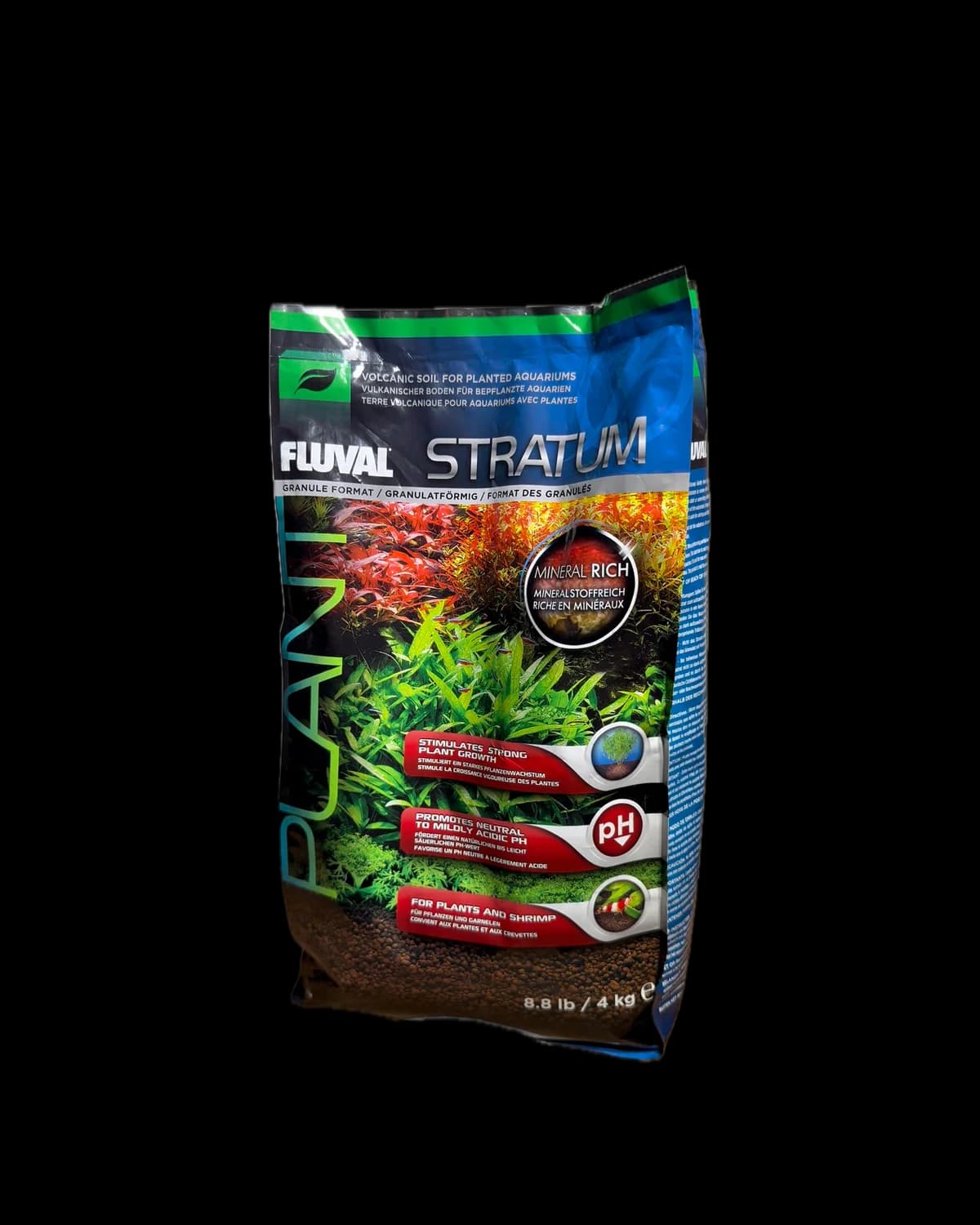
Fluval Stratum
What is it: Aquarium substrate, and one half of my go-to mix for young Alocasias and plants that need a little TLC—the other half is perlite.
How I use it: I use a Stratum + perlite mix for sprouted corms and as my go-to when an Alocasia needs a little rehab.
Where I get it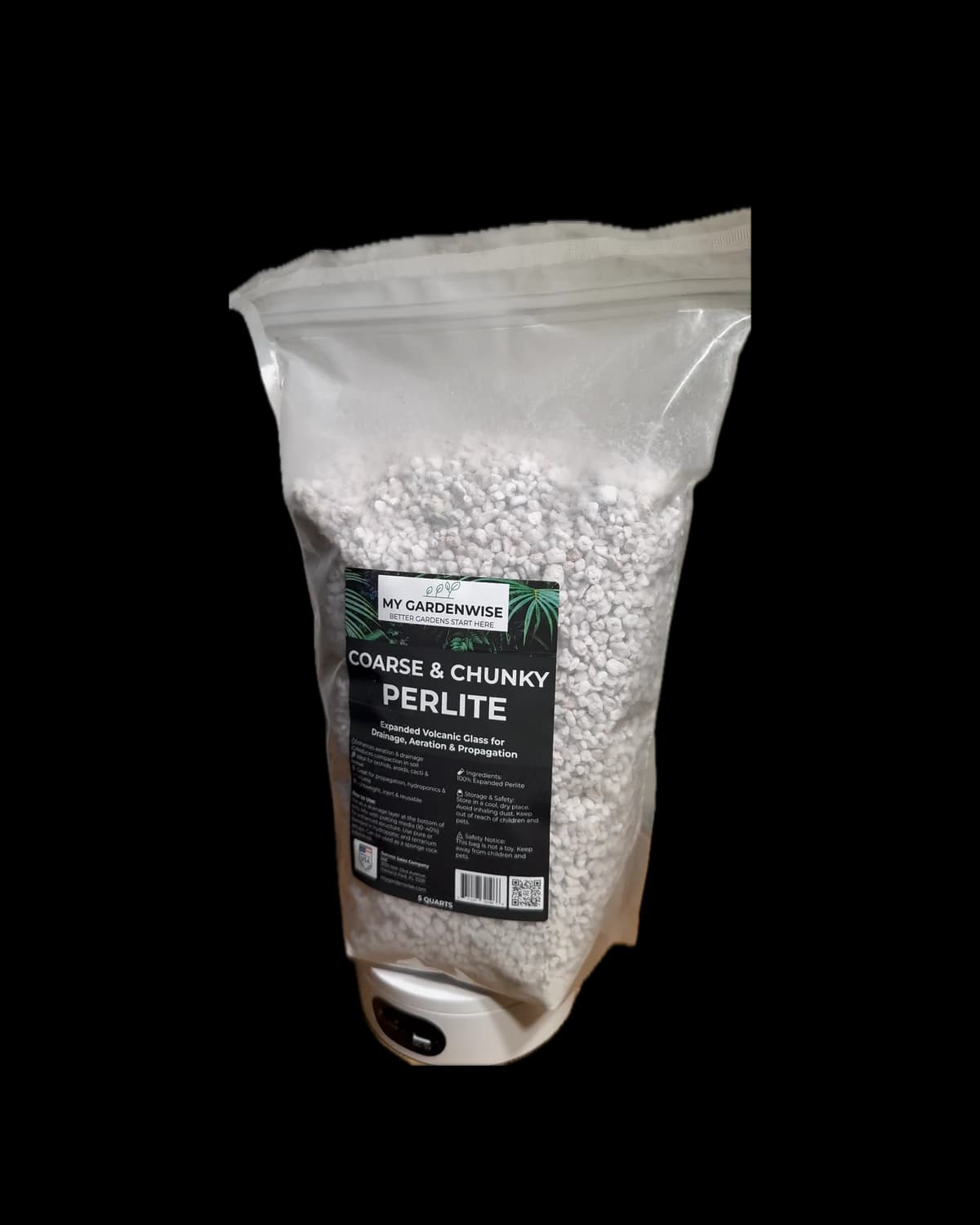
Coarse perlite
What is it: A lightweight, porous material that adds airflow to the root zone and keeps mixes from becoming too dense.
How I use it: I mix coarse perlite with Stratum for sprouted corms and Alocasias that need a little rehab. The perlite keeps the mix airy while the Stratum holds onto moisture.
Where I get it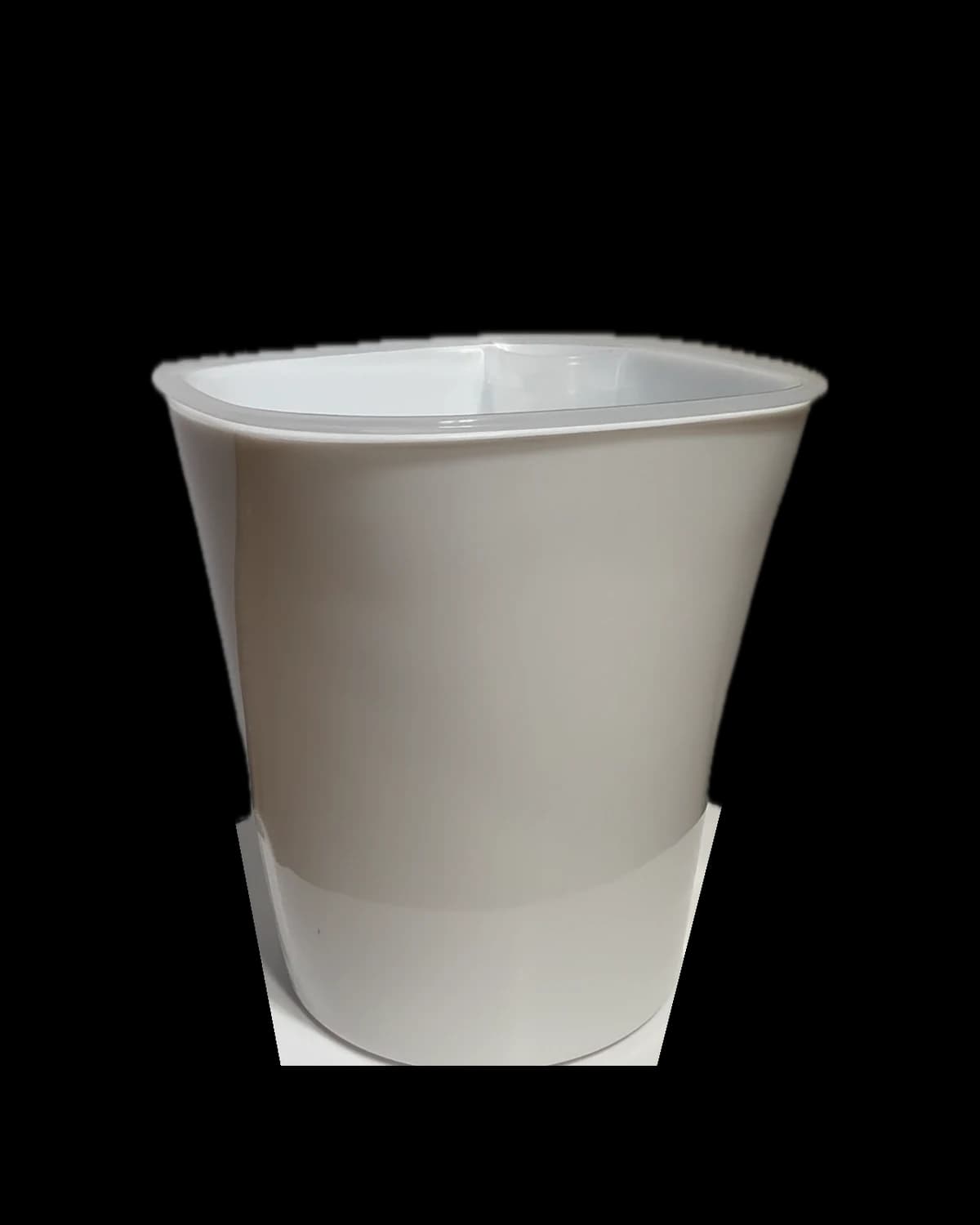
Self-watering pots, 3 inch
What is it: My go-to for smaller established plants. The reservoir waters from below while the wick pulls up only what the mix needs.
How I use it: I keep the reservoir below the inner pot rather than filling it all the way up.
Where I get it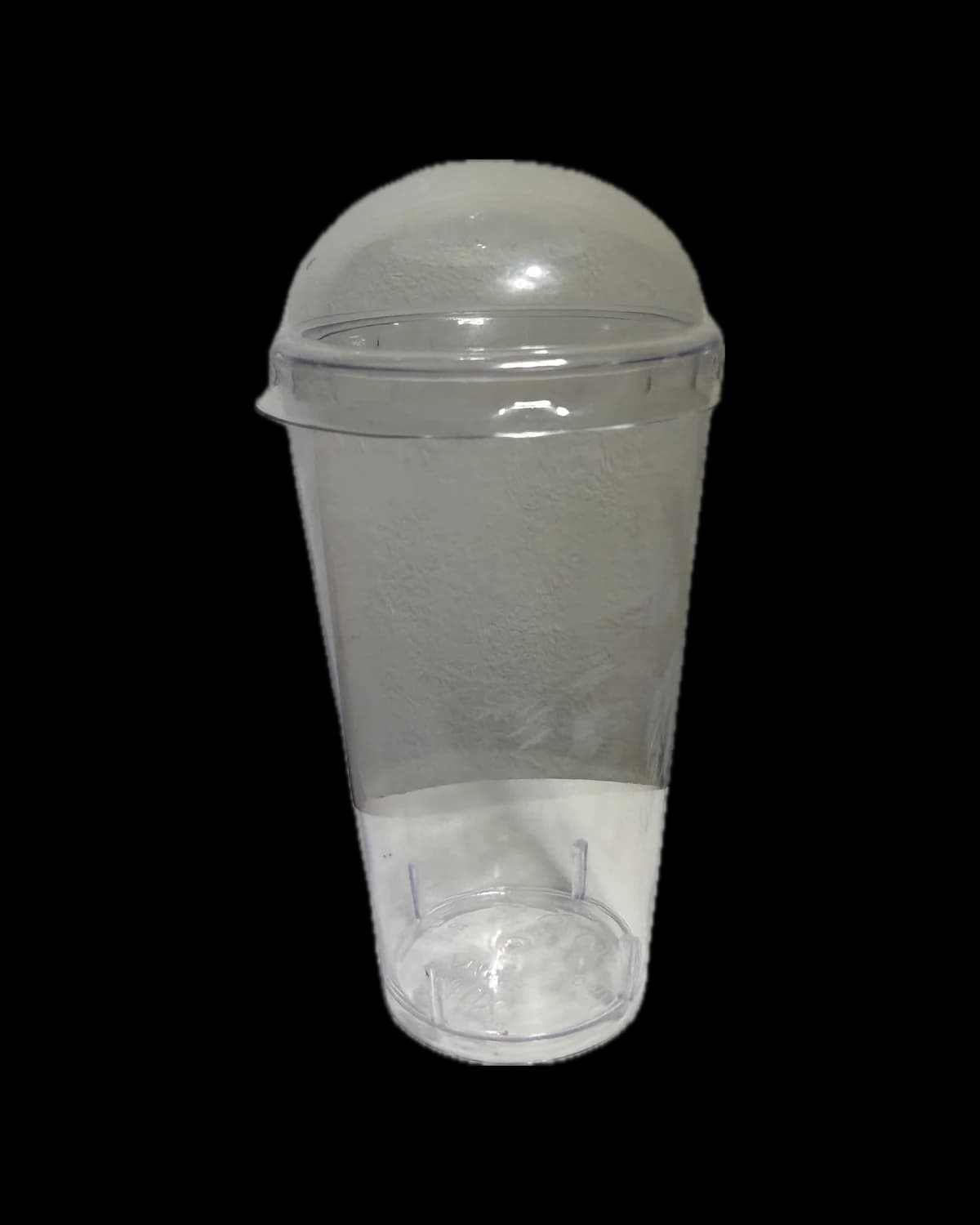
Clear cups, 2 oz
What is it: Simple clear cups that I turn into mini self-watering pots.
How I use it: I drill drainage holes in the bottom, add a cotton wick, and set the cup inside a tall dessert cup that acts as the reservoir. It’s an easy way to keep smaller Alocasias consistently moist while still being able to watch the roots.
Where I get it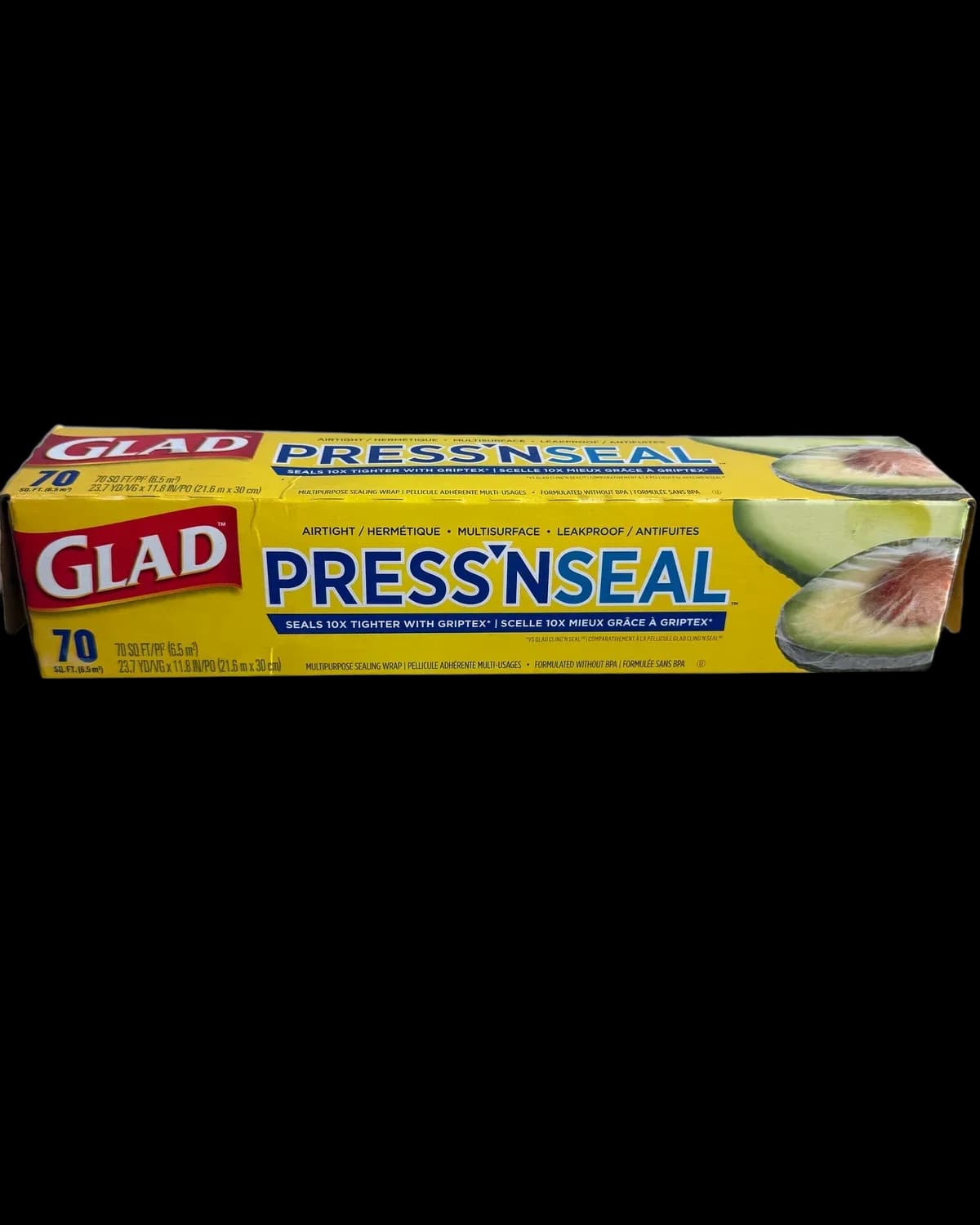
Glad Press'n Seal
What is it: Over the top of a propagation cup. It holds the humidity in and still lets me peel a corner back to let air through.
Where I get itWatering bottle
Where I get itClear nursery pots, 3.5 to 5 inch
What is it: Three sizes in one box, which is what a shelf of plants actually needs. Clear all the way round, so roots are visible without unpotting anything.
How I use it: I pot up one size at a time rather than jumping straight to the big one. A root ball swimming in wet mix is how a corm rots, and having all three sizes on the shelf means I never talk myself into the wrong pot because it is the only one in the cupboard.
Where I get itClear pots with saucers, 3 inch
What is it: The same clear pot with a saucer under it, for the plants that live somewhere a ring of water on the wood would be noticed.
How I use it: The saucer is for catching what runs through, not for holding it. I tip out whatever is still sitting there twenty minutes after watering — a pot standing in its own drainage is the slowest way I know to lose a root system.
Where I get itLight
New Jersey from October to April is not enough on its own.
Barrina LED bars, 2 foot
What is it: My main cabinet lights. I run them about 12 hours a day through the darker months to keep growth consistent and new leaves coloring well.
Where I get itBarrina LED bars, 1 foot
What is it: The short ones, for a shelf that will not take a two-foot run. Same light, and they link end to end off a single plug.
Where I get itCabinet Setup
A closed cabinet holds humidity beautifully and turns stagnant just as fast. This is what keeps it honest.
Cabinet fan
What is it: Small fans that keep air moving inside the cabinet, especially when humidity is high.
Where I get it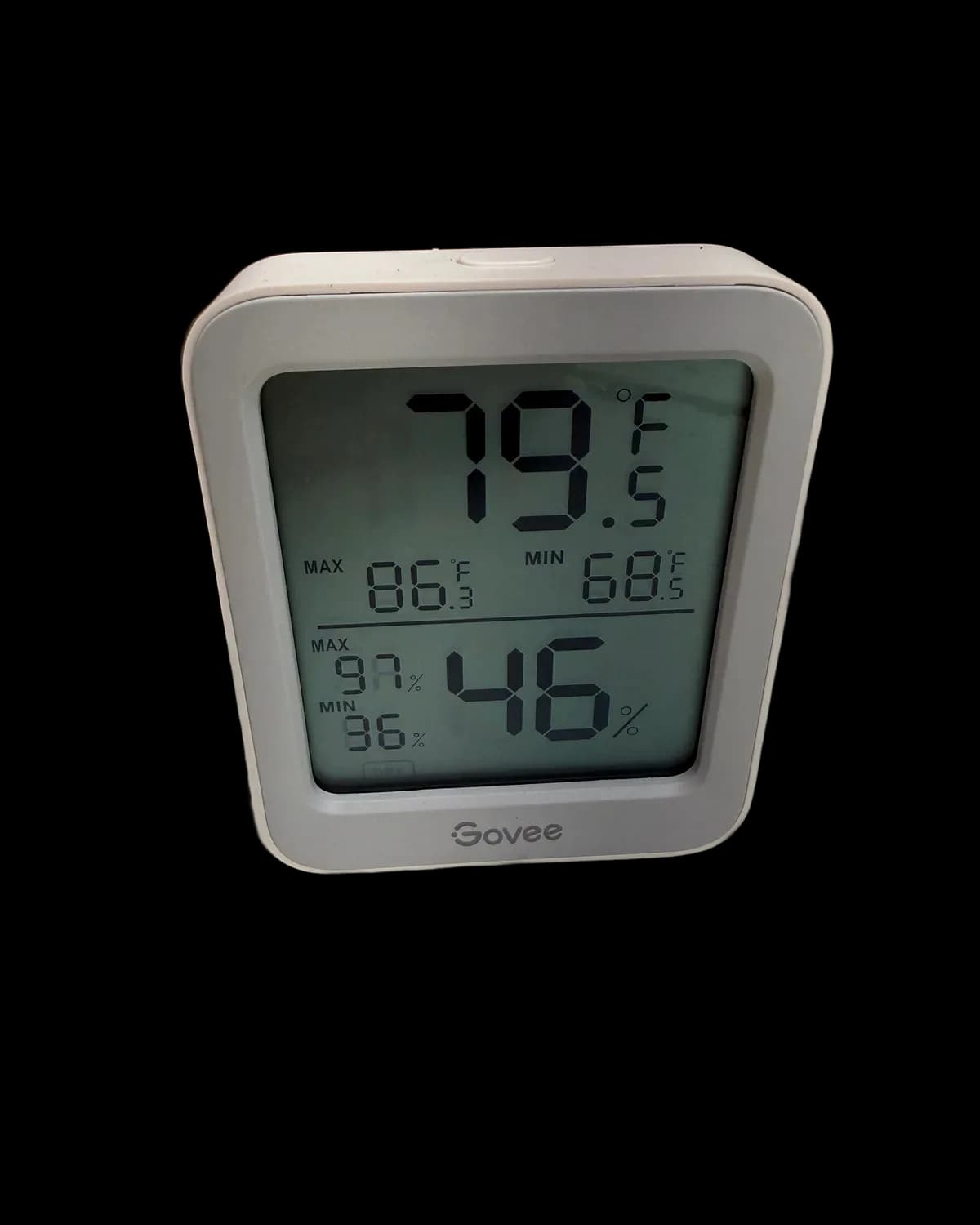
Govee Hygrometer and Thermometer
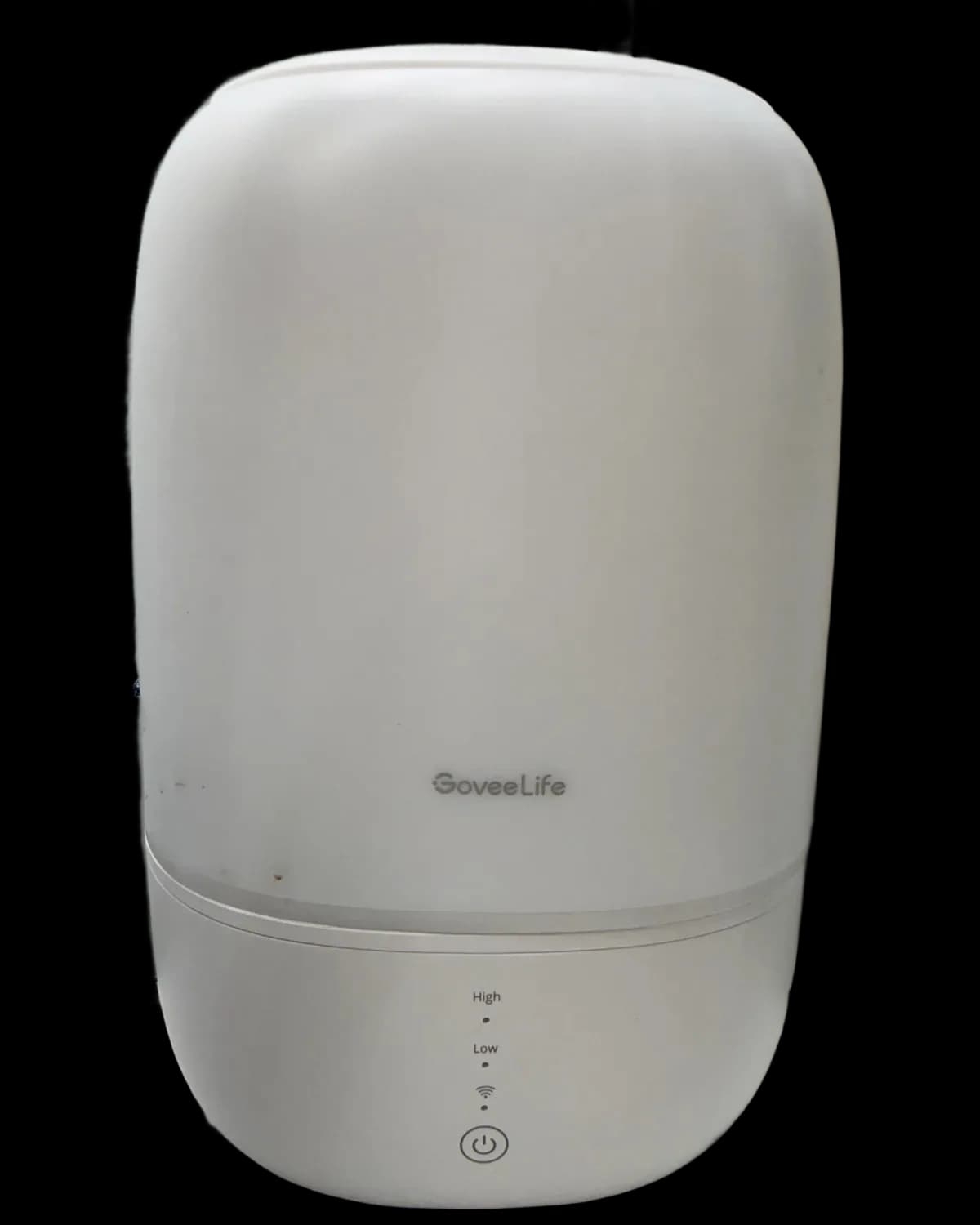
What is it: A smart temperature and humidity monitor that tracks the conditions inside my cabinet and works with my Govee humidifier.
Where I get itFeed
I have a 3 ingredient mix I feed all my plants. And 1 ingredient for my corm water mix.
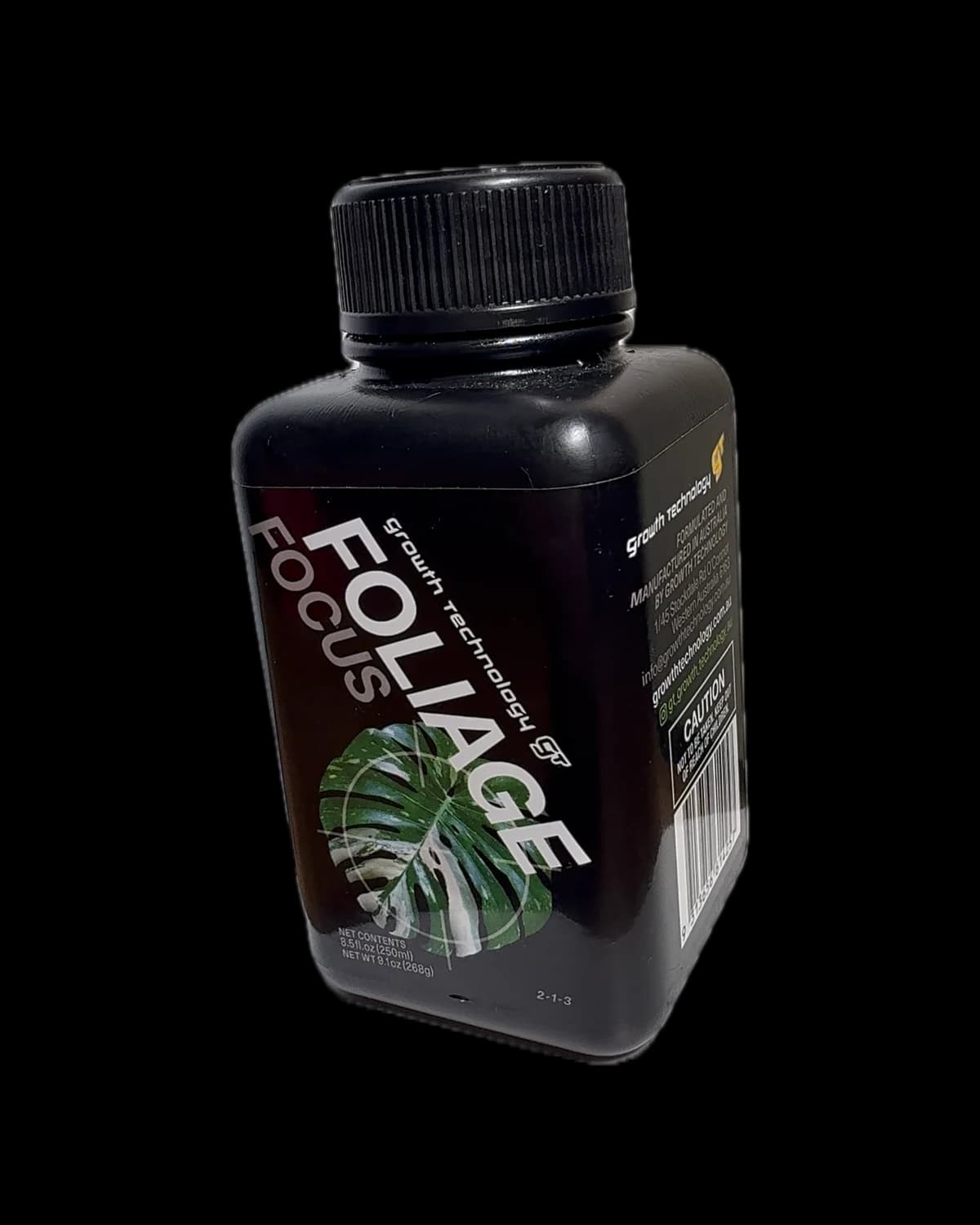
Foliage Focus
What is it: A complete liquid fertilizer formulated for foliage plants, with the nutrients and trace elements needed to support healthy, consistent growth.
How I use it: I add Foliage Focus to my water at the recommended dilution and use it with nearly every watering while my Alocasias are actively growing.
Where I get it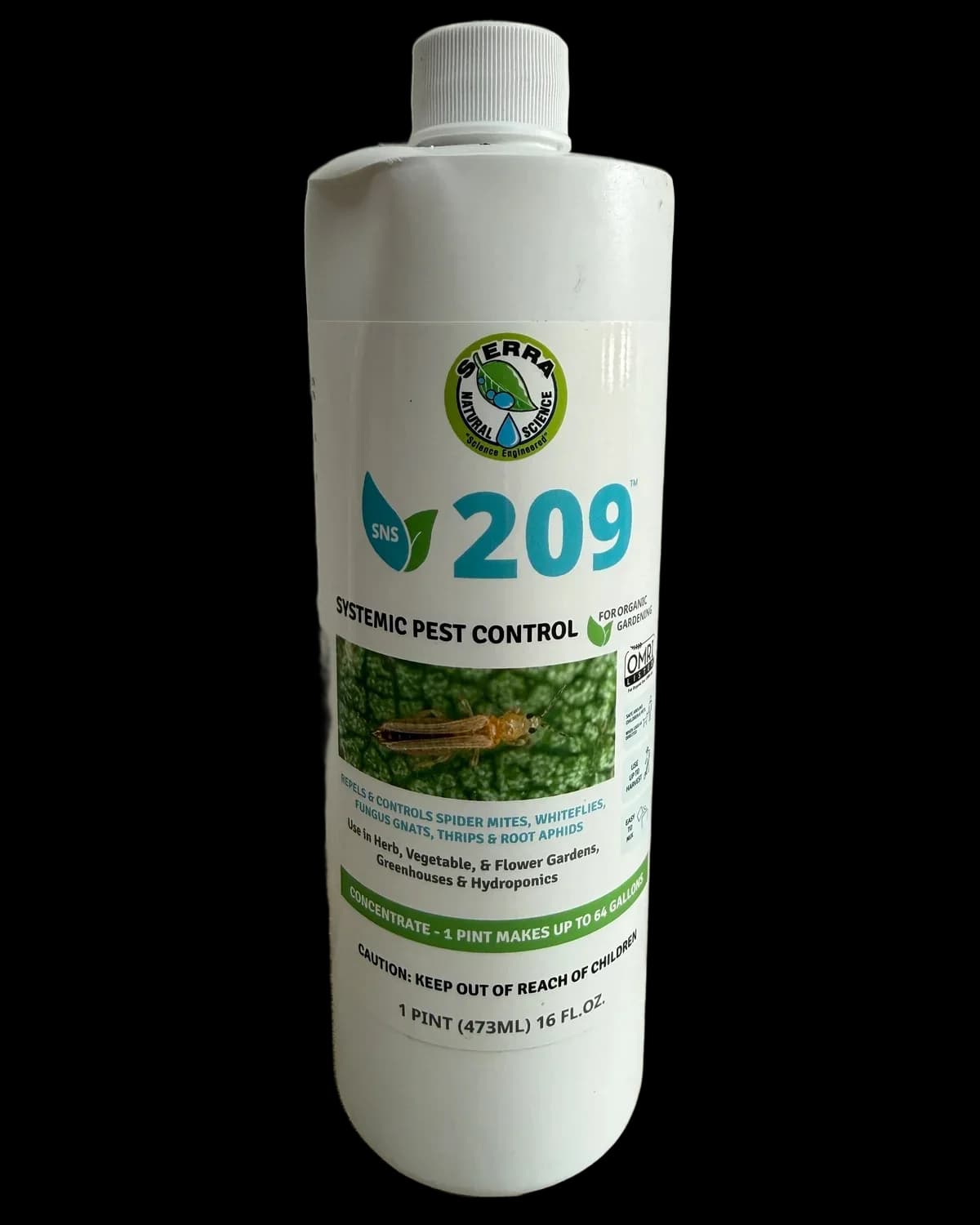
SNS 209
What is it: A plant-safe product I keep in my pest-management rotation as an added layer of prevention.
How I use it: I use it according to the label as part of my preventative routine, especially when I’m being extra cautious about pests.
Where I get itPacking & shipping
What your plant travels in. None of it is glamorous, and all of it is the difference between a plant that arrives and one that arrives broken.
Bubble wrap
What is it: Twelve inches wide, which is the width that actually goes round a potted plant without cutting every sheet down first.
How I use it: It goes around the pot, never around the leaves. A leaf pressed flat against plastic for three days in transit arrives creased. The pot gets wrapped and taped so it cannot move, and the foliage travels loose in the space above it.
Where I get itPacking tape
What is it: Six rolls and a dispenser. Buying one roll at a time is how you end up taping a box shut with washi tape at midnight.